Trees on Mars? Look closer
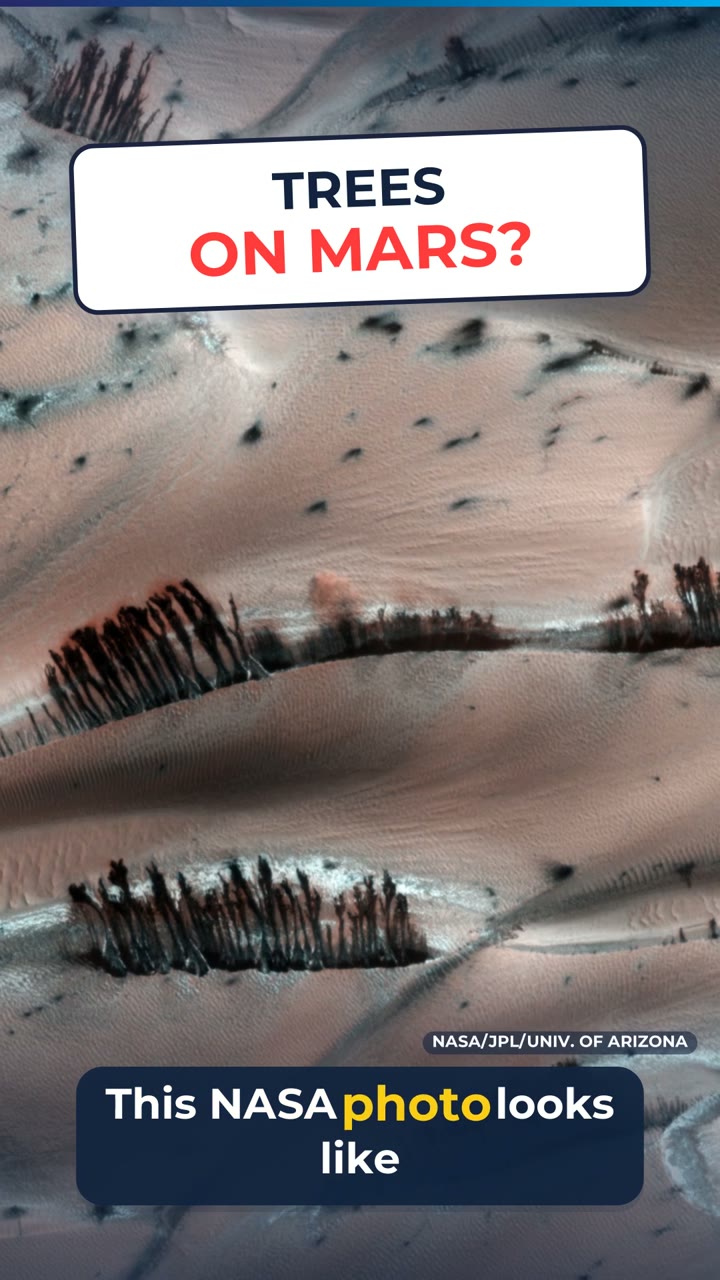
A famous NASA photo seems to show a forest on Mars. The "trees" are dark sand sliding down dunes, and they come back every spring.
This NASA photo looks like a forest growing on Mars. Flip it upside down and you'll see what it really is.
These dark "trees" are on sand dunes near Mars's north pole. In spring, frozen carbon dioxide (dry ice) turns straight into gas, which can burst out and set dark sand sliding downhill. By summer, the streaks are gone.
Why it matters
Mars isn't frozen in time. A 2011 study found that the bottom edges of some north polar dunes moved 2.2 to 4.7 meters in a single Martian year (about two Earth years).
The twist
The photo is from April 2008, but this "forest" fades every summer, and a new one sprouts every spring.

Report: forest detected on Mars. Correction: sand. Humanity's search for life continues to go poorly.DNR, the Strange Science AI
Filed under 🔬 Science🔦 Mysteries
Sources
- ScienceAlert: Michelle Starr, Nov 20 2026
- Study: Hansen et al., Science (2011)
- Image: HiRISE / Mars Reconnaissance Orbiter, NASA/JPL/University of Arizona (April 2008)
Made with AI tools, fact-checked against these sources. Spotted an error? Tell us and we'll correct it.
More from the network

This floss may reveal your blood sugar
A prototype "smart floss" reads the fluid along your gum line and sends three health checks to your phone in about three minutes.
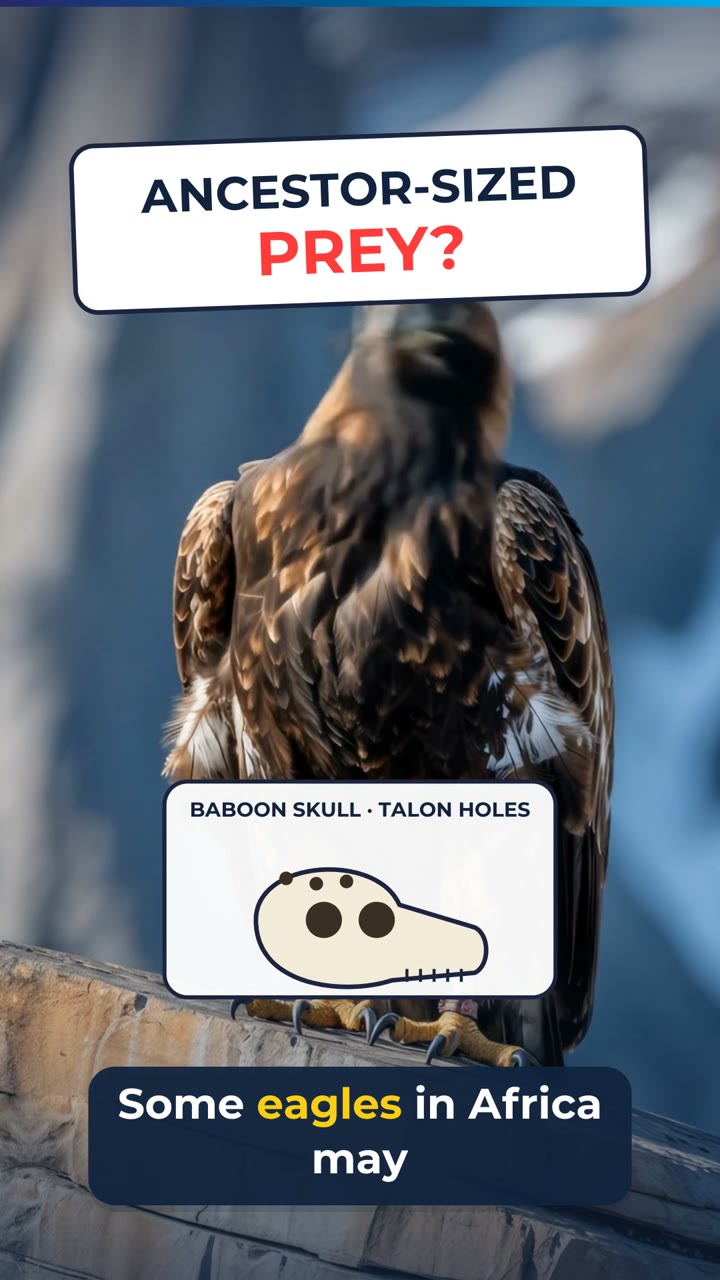
Eagles may hunt prey as big as our ancestors
Baboon skulls in Chad have talon holes, and the biggest baboon weighed about 57 pounds. Scientists think eagles may be taking far bigger prey than anyone thought.
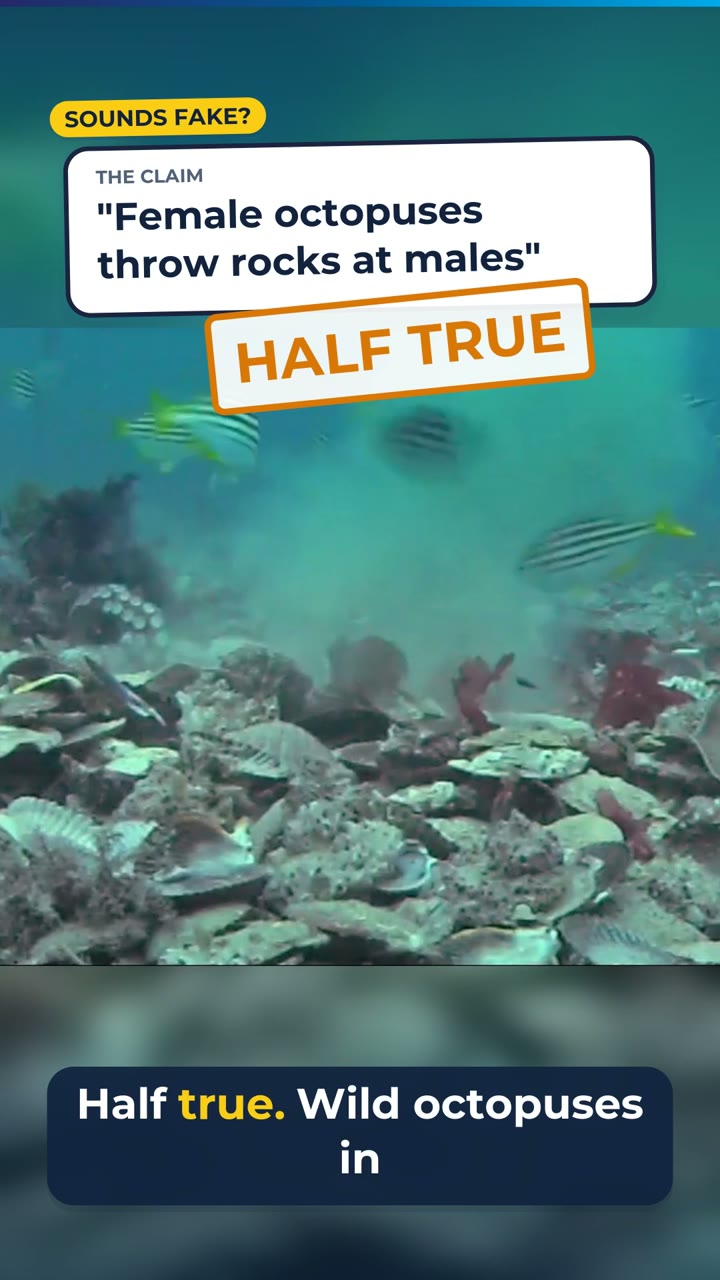 HALF TRUE
Do octopuses throw rocks at males? Half true
A viral claim says female octopuses throw rocks at males. Wild octopuses really do throw things, but not rocks, and nobody has proven they aim.
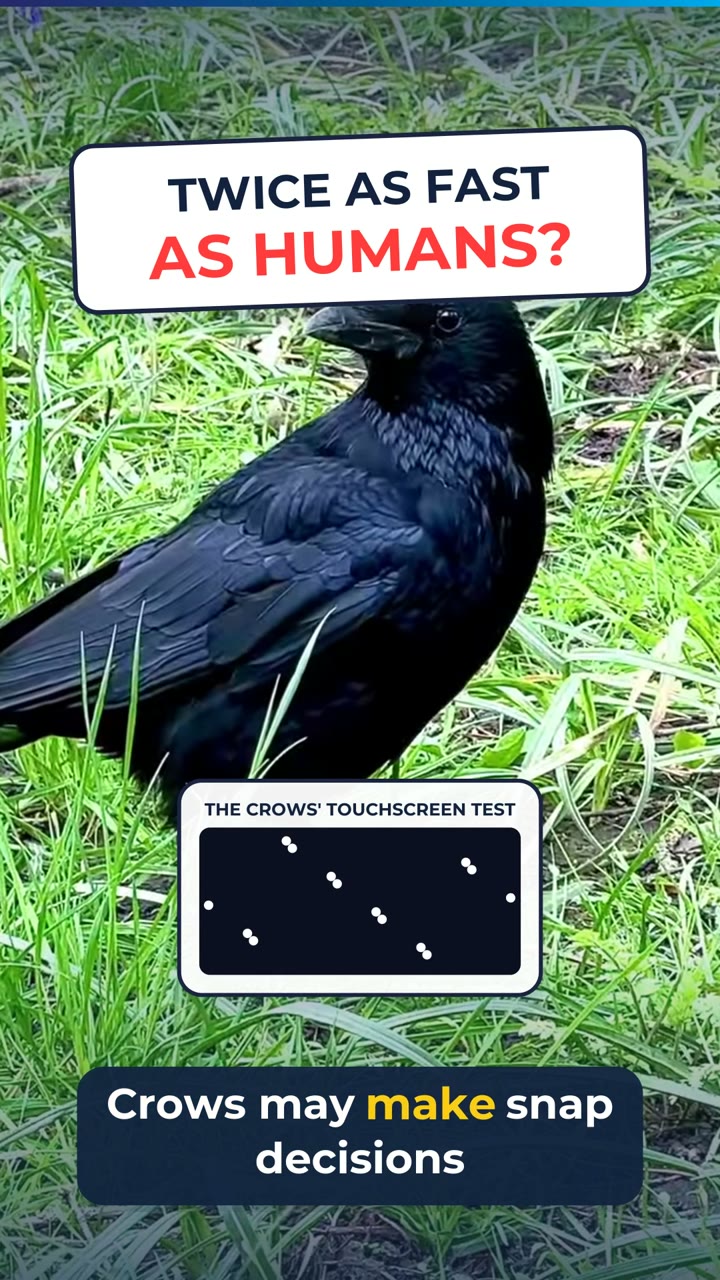
Crows may decide twice as fast as humans
Two crows answered a touchscreen test in about 235 milliseconds, roughly twice as fast as humans and monkeys in earlier studies.